Wobe in Côte d'Ivoire
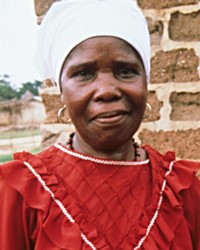
Photo Source:
Anonymous
|
Send Joshua Project a map of this people group.
|
| People Name: | Wobe |
| Country: | Côte d'Ivoire |
| 10/40 Window: | No |
| Population: | 354,000 |
| World Population: | 354,000 |
| Primary Language: | We Northern |
| Primary Religion: | Ethnic Religions |
| Christian Adherents: | 28.00 % |
| Evangelicals: | 7.00 % |
| Scripture: | New Testament |
| Ministry Resources: | Yes |
| Jesus Film: | Yes |
| Audio Recordings: | Yes |
| People Cluster: | Kru |
| Affinity Bloc: | Sub-Saharan Peoples |
| Progress Level: |

|
Introduction / History
The Wobe are an ethnic group indigenous to western Côte d'Ivoire, where they are part of the larger Kru peoples of the forested interior. Their communities are concentrated in the mountainous western region, especially in rural areas near the Guinean border. The Wobe speak We Northern, a language that carries oral history, proverbs, and ritual knowledge across generations.
Historically, the Wobe have been shaped by migration within the forest zone, interethnic contact, and periods of instability that have forced communities to relocate or regroup. Their identity is closely tied to land, ancestry, and shared spiritual traditions. While outside influences—colonial administration, modern education, and global religions—have reached the region, Wobe society continues to draw deeply from inherited customs and worldview.
What Are Their Lives Like?
Most Wobe families live in small villages where life follows the rhythms of agriculture. Farming is central to daily survival, with households cultivating crops suited to forest soils. Fields are often family-managed, and work is shared among relatives according to age and gender. Staple foods are prepared simply, relying on what is grown locally and supplemented by gathered foods or market purchases when possible.
Extended family ties shape social life. Elders are respected as keepers of wisdom and moral authority, while younger members contribute labor and care for aging relatives. Community life includes storytelling, music, and dance, especially during festivals linked to planting, harvest, or remembrance of ancestors. Wrestling, drumming, and informal games provide recreation, often doubling as a way to reinforce communal bonds.
What Are Their Beliefs?
The Wobe are predominantly followers of ethnic religions rooted in the spirit world. They believe that unseen forces influence human affairs and that harmony with ancestral spirits and territorial beings is necessary for health, fertility, and protection. Ritual specialists, sacrifices, and sacred objects play an important role in mediating between the physical and spiritual realms.
Many Wobe also identify with Christianity or Islam, yet these beliefs are often blended with traditional religion rather than replacing it. In many cases, religious practices exist side by side, with people drawing from multiple systems depending on the need of the moment. For most, trust is placed in spiritual powers other than Jesus Christ, and fear of offending spirits shapes moral decisions. Where Christian teaching has been introduced, genuine biblical understanding remains limited, though pockets of active church life do exist.
What Are Their Needs?
Many Wobe communities face ongoing challenges related to isolation and limited infrastructure. Access to reliable medical care is scarce, leaving preventable illnesses untreated and maternal health vulnerable. Clean drinking water is not always available, contributing to disease and hardship.
Educational opportunities beyond the primary level are limited, especially in rural villages. Young people who desire further schooling often must leave their community, which can weaken family structures. Economic pressures, combined with a lack of vocational training, make it difficult for families to move beyond subsistence living.
Prayer Points
Pray that Wobe believers will grow in a deep understanding of Scripture and walk in freedom from fear of the spirit world.
Ask the Lord to strengthen local churches so they disciple others with clarity, humility, and boldness.
Pray that mature Wobe Christians will be sent to African peoples who have little or no witness of Christ.
Ask God to raise leaders who combine compassion with truth, guiding their communities toward lasting hope in Jesus Christ.
Pray for their physical needs for medical care to be met.