Finland Swede in Finland
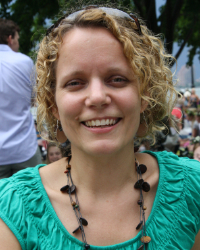
Photo Source:
swedennewyork - Flickr
Creative Commons
|
Send Joshua Project a map of this people group.
|
| People Name: | Finland Swede |
| Country: | Finland |
| 10/40 Window: | No |
| Population: | 273,000 |
| World Population: | 389,000 |
| Primary Language: | Swedish |
| Primary Religion: | Christianity |
| Christian Adherents: | 67.00 % |
| Evangelicals: | 7.00 % |
| Scripture: | Complete Bible |
| Ministry Resources: | Yes |
| Jesus Film: | Yes |
| Audio Recordings: | Yes |
| People Cluster: | Scandinavian |
| Affinity Bloc: | Eurasian Peoples |
| Progress Level: |

|
Introduction / History
The Finland Swedes are a historic Swedish?speaking minority whose cultural roots stretch back many centuries to the period when Finland formed part of the Swedish kingdom. Their language, Finland Swedish, includes both a standardized form and distinct regional dialects that remain mutually intelligible with Swedish dialects spoken in Sweden. This Swedish?speaking population is concentrated along Finland's southern and western coasts and in the autonomous Aland Islands, where Swedish is the sole official language.
Migration, political shifts, and centuries of bilingual coexistence have shaped their identity. Today, Finland Swedes maintain a strong sense of belonging both to Finland and to their own linguistic community, sometimes described as a "duck pond" culture because their small size creates tightly connected social networks. Many Finland Swedes have also established communities in Sweden, where they continue to uphold their linguistic and cultural heritage across national borders.
What Are Their Lives Like?
Finland Swedes participate fully in modern Nordic society, balancing local Finnish cultural norms with distinctive Swedish?language traditions. Families often live in coastal towns and cities where bilingualism is common and where Swedish?language schools, media, and cultural institutions help preserve their heritage. Community events, such as crayfish parties in the autumn, reinforce shared identity and strengthen communal ties.
Their daily lives reflect the broader Nordic emphasis on education, social equality, and outdoor living. Many Finland Swedes are bilingual, navigating both Finnish and Swedish in work, school, and social life. Because of their relatively small population, social circles can be close-knit, and connections between families often span several regions. Meanwhile, Finland Swedes residing in Sweden live with two cultural reference points, drawing on both nations' traditions as they participate in Swedish society.
What Are Their Beliefs?
Most Finland Swedes historically identify with Lutheran Christianity, which has shaped their communal life, holidays, and cultural expressions. Within this context, many continue to value Christian moral foundations, church traditions, and seasonal observances, even if the level of personal religious involvement varies across individuals and communities.
What Are Their Needs?
Amid their relative social stability, Finland Swedes face challenges common to small minority communities. Ongoing cultural shifts and decreasing linguistic vitality place pressure on younger generations to maintain their Swedish?language identity. Social isolation can arise in areas where Swedish-speaking populations are dispersed. Families living in mixed-language environments often navigate questions of heritage preservation and belonging.
Spiritually, there is a need for renewed engagement with the message of Jesus Christ in a secularizing Nordic environment. Vibrant discipleship, clear gospel proclamation, and the strengthening of local congregations can help Finland Swedes encounter the transforming work of the Holy Spirit and embrace a deeper commitment to global mission.
Prayer Points
Pray that Christian communities within the Finland-Swedish population will grow in unity, vitality, and mission-mindedness.
Pray that believers will be stirred to join Christ's global discipleship force, bringing His mercy to peoples with little access to the gospel.
Pray that Finland Swedes in both Finland and Sweden will experience a fresh work of God's Spirit, drawing them into deeper fellowship with Jesus Christ.
Pray that families will find strength to maintain their cultural and linguistic heritage while embracing the hope of the gospel in their daily lives.