Gbari in Nigeria
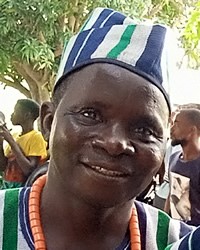
Photo Source:
Anonymous
|
Send Joshua Project a map of this people group.
|
| People Name: | Gbari |
| Country: | Nigeria |
| 10/40 Window: | Yes |
| Population: | 641,000 |
| World Population: | 641,000 |
| Primary Language: | Gbari |
| Primary Religion: | Ethnic Religions |
| Christian Adherents: | 25.00 % |
| Evangelicals: | 4.27 % |
| Scripture: | New Testament |
| Ministry Resources: | No |
| Jesus Film: | Yes |
| Audio Recordings: | Yes |
| People Cluster: | Nupe |
| Affinity Bloc: | Sub-Saharan Peoples |
| Progress Level: |

|
Introduction / History
The Gbari (also spelled Gbagyi) are an ethnic group living in north-central Nigeria with an estimated population of 5-12 million people. They primarily reside in Niger State, the Federal Capital Territory (Abuja), Kaduna State, and Nasarawa State. The Gbari are among the indigenous people of Abuja, Nigeria's capital city. Historically called Gwari by the Hausa and Europeans, they prefer to be known as Gbari or Gbagyi.
The Gbari speak a Nupoid language from the Niger-Congo family. They use two main dialects that are sometimes distinguished as Gbari and Gbagyi. Oral tradition suggests the Gbari originally lived on mountain tops for safety before moving to the plains. During the creation of Abuja as Nigeria's federal capital in the 1970s, many Gbari families were displaced from their ancestral lands.
What Are Their Lives Like?
The Gbari are primarily farmers who cultivate yams, maize, millet, and groundnuts. Agriculture forms the backbone of their economy. They are also known for their skilled craftsmanship in pottery, blacksmithing, and making farm tools like hoes and cutlasses. Gbari women are renowned potters who create both functional and decorative items using traditional coiling methods.
Family life follows a patriarchal system. Extended family compounds are led by the oldest male, with the Osu (king) serving as the highest authority in the community. He is assisted by elders who help maintain peace and order. A unique cultural practice involves women carrying loads on their shoulders rather than their heads, believing the head should be honored as the "king of the body."
Gbari celebrations include annual cultural festivals that feature traditional music, dance, and performances highlighting their folklore. Marriage is a significant social event involving both families and the wider community. The Gbari also practice body decoration through tattoos and piercings as forms of beautification.
Food centers on yam, which can be prepared in many ways including boiled yam, pounded yam, yam porridge, and fried yam. Meals often include stews made with palm oil, peppers, tomatoes, and vegetables.
What Are Their Beliefs?
They maintain strong connections to their traditional beliefs called Knunu. Even after conversion to Christianity or Islam, traditional practices remain deeply embedded in their worldview. They continue to shape daily decisions, especially regarding marriage, child naming, burial, and responses to sickness and misfortune.
In traditional Gbari religion, they believe in Shekwoyi, a supreme God who existed before their ancestors. They also recognize various deities associated with natural elements like rivers, trees, and mountains. Ancestral spirits play an important role in Gbari spirituality. They believe spirits can influence events in the lives of the living and serve as intermediaries between people and the divine.
The Gbari recognize spiritual practitioners called azokuda who consult with ancestral spirits and provide guidance to individuals and communities. They believe in witchcraft powers that can cause harm or provide protection. Traditional healers use herbal medicines combined with spiritual practices to address health concerns and solve community problems. Sacrifices and offerings to spirits and ancestors remain common practices even among those who identify as Christians or Muslims.
What Are Their Needs?
The Gbari need economic development and educational opportunities. Many remain dependent on subsistence farming with limited access to modern agricultural techniques and equipment. Education levels vary, with rural areas facing challenges in school access and quality.
Healthcare services are inadequate in many Gbari communities. People often rely on traditional healers due to the absence of medical facilities and the high cost of healthcare. Infrastructure development, including roads, clean water, and electricity, remains a pressing need.
Many Gbari face ongoing grievances about land displacement when Abuja became the federal capital. Issues of fair compensation and recognition of their ancestral rights continue to affect the community.
Spiritually, the Gbari need clear teaching that helps them understand how the gospel addresses their concerns about ancestral spirits, protection from harm, and finding solutions to daily challenges. They need Bible translation work and discipleship materials in their language that speak to their cultural context. Christian workers who understand Gbari worldview and traditional beliefs can help believers integrate their faith with their cultural identity in healthy ways.
Prayer Points
Pray for Gbari Christians to experience the power of the Holy Spirit in ways that demonstrate God's supremacy over fear of witchcraft and ancestral spirits.
Pray for literacy programs so Gbari people can read Scripture in their heart language.
Pray for agricultural development programs and educational opportunities that would improve living conditions and provide hope for Gbari families.
Pray for indigenous Gbari church leaders who can effectively disciple believers to follow Christ while addressing the deep spiritual questions rooted in their traditional worldview.