Trinidadian, Afro-Caribbean in Trinidad and Tobago
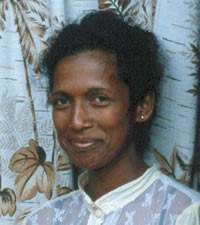
Photo Source:
Masters View / Howard Erickson
|
Send Joshua Project a map of this people group.
|
| People Name: | Trinidadian, Afro-Caribbean |
| Country: | Trinidad and Tobago |
| 10/40 Window: | No |
| Population: | 813,000 |
| World Population: | 981,000 |
| Primary Language: | English |
| Primary Religion: | Christianity |
| Christian Adherents: | 86.00 % |
| Evangelicals: | 36.58 % |
| Scripture: | Complete Bible |
| Ministry Resources: | Yes |
| Jesus Film: | Yes |
| Audio Recordings: | Yes |
| People Cluster: | Afro-American, Northern |
| Affinity Bloc: | North American Peoples |
| Progress Level: |

|
Introduction / History
The Turks and Caicos Creole English people are a culturally distinct community native to the Turks and Caicos Islands in the Caribbean. Their identity has developed through centuries of history shaped by the islands' settlement, maritime trade, and cultural exchange. The language they speak, known as Turks and Caicos Creole English, reflects this heritage with influences from English and other Creole traditions of the region. Over generations, this language and the cultural rhythms of island life have connected families and communities, shaping their shared sense of identity and belonging.
Most live in Trinidad and Tobago, although they are also numerous in Turks and Caicos.
What Are Their Lives Like?
Daily life among Turks and Caicos Creole English speakers is influenced by the island environment of sand, sea, and sun, where fishing, tourism, small business, and family life are central features. Community and family relationships are important, with extended families often closely connected through shared activities, traditions, and celebrations. Music, food, and storytelling contribute to a lively cultural expression rooted in the islands' history.
Turks and Caicos Creole English is the native language for many in this community and is used in homes, social gatherings, and cultural expression. While English is also widely used, especially in education and official settings, the Creole language remains an important marker of cultural identity. Festivals, church events, and community gatherings often provide opportunities to celebrate language and heritage, reinforcing bonds across generations.
What Are Their Beliefs?
Spiritual life in the Turks and Caicos Creole English community is influenced significantly by Christianity. Many people and families identify with Christian faith traditions, attending local churches and participating in worship, prayer, and fellowship. The gospel of Jesus Christ is a central part of community life for numerous individuals, shaping values, celebrations, and family rhythms.
Scripture in English and related teaching materials are widely accessible, offering people many avenues to engage with the Bible personally, in church, and in small groups.
What Are Their Needs?
The Turks and Caicos Creole English community continues to value strong families, cultural heritage, and opportunities for meaningful education and spiritual growth. Believers benefit from ongoing discipleship, biblical teaching, and encouragement to live out their faith with integrity.
Local Christian leaders who are rooted in the community's language and culture can play a vital role in guiding believers toward deeper understanding of scripture and faithful witness. Opportunities for fellowship, outreach, and service can help strengthen local churches and their impact within the community.
Prayer Points
Pray that the Turks and Caicos Creole English people will clearly understand and embrace the good news of salvation through Jesus Christ.
Pray for believers in the community to grow strong in faith, rooted in scripture, and to support one another in love and unity.
Pray for God to raise up wise and faithful local leaders who will teach the Bible clearly and disciple others, even those outside their community.
Pray for families throughout the community to experience hope, peace, and transformation through the gospel.
Pray that churches and ministries in the Turks and Caicos Islands will be effective in reaching others with compassion, truth, and grace.