Tokelauan in Tokelau
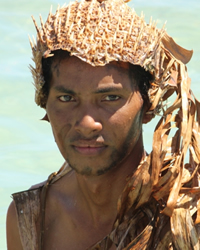
Photo Source:
350.org - Flickr
Creative Commons
|
Send Joshua Project a map of this people group.
|
| People Name: | Tokelauan |
| Country: | Tokelau |
| 10/40 Window: | No |
| Population: | 2,900 |
| World Population: | 11,170 |
| Primary Language: | Tokelauan |
| Primary Religion: | Christianity |
| Christian Adherents: | 100.00 % |
| Evangelicals: | 3.40 % |
| Scripture: | Complete Bible |
| Ministry Resources: | Yes |
| Jesus Film: | No |
| Audio Recordings: | Yes |
| People Cluster: | Polynesian |
| Affinity Bloc: | Pacific Islanders |
| Progress Level: |

|
Introduction / History
The Tokelauan people are Polynesians whose ancestral home is Tokelau, a small group of coral atolls in the Pacific Ocean. Tokelau consists of three main atolls, and daily life is shaped by distance from larger markets and by close dependence on the sea. Tokelau has long been administered by New Zealand, and Tokelauans hold New Zealand citizenship, which has contributed to strong family connections with relatives living overseas even while the atolls remain the heart of Tokelauan identity. Tokelauan is the primary language of everyday life, and English is also used, especially in schooling and official settings.
Over the last century, outside contact, education, and migration have increased, but Tokelauan communities have continued to emphasize unity, respect for elders, and shared responsibility. Many Tokelauans speak of these commitments as part of the Tokelauan way of life, expressed in how families organize work, distribute resources, and care for one another.
What Are Their Lives Like?
Life in Tokelau today remains strongly communal, with extended families closely involved in one another's daily needs and with decisions often shaped by community leadership structures. Work life includes government and public services, local administration, education, and roles tied to transport and supplies, alongside fishing and small-scale food production. Because imported goods arrive by ship and can be limited or expensive, households often depend on a mix of local foods and imported staples.
Diet commonly includes fish and other seafood, along with coconut and locally grown crops where conditions allow, and family meals are an important setting for hospitality and community ties. Family life is typically organized around interdependence, with strong expectations of service, respect, and practical care for elders and for households facing hardship. Community gatherings are frequent, and cultural expression through song, dance, and shared celebrations continues to play a major role in strengthening identity.
Important festivals and observances often center on church life and community-wide holidays. Easter celebrations, Christmas, and regular Sunday worship structure the calendar, and Tokelau also observes public holidays that reinforce shared identity and history, including locally recognized days and events that villages may declare as holidays for the whole community.
What Are Their Beliefs?
Tokelauans identify overwhelmingly with Christianity, and church life is woven deeply into community rhythms, moral teaching, and public celebrations. Both Protestant and Roman Catholic traditions have longstanding roots in Tokelau, and the shape of local Christian life has been influenced by the history of mission work on the atolls. Religious practice is not only private but also strongly communal, with worship, teaching, and church-based gatherings reinforcing values such as unity, respect, and mutual responsibility.
From a Bible-believing Christian perspective, the greatest blessing Tokelau can know is not found in external aid or cultural strength alone, but in the mercy of Jesus Christ. Christ calls people to repentance and faith, forgives sin, restores families, and forms disciples who love God and neighbor in truth. Where Christianity is already widely named, the prayer is for deeper, Scripture-shaped discipleship that produces humble leadership, reconciled relationships, and joyful obedience to Christ.
What Are Their Needs?
Geographic isolation creates practical challenges that affect health, education, and economic opportunity, especially when supplies, specialized medical care, or advanced training require travel and coordination. Ongoing pressures related to transport, infrastructure, and the cost and reliability of imported goods can strain households and increase vulnerability during emergencies. Environmental risk also weighs heavily on low-lying atolls, and community resilience depends on wise planning and support that strengthens local capacity.
Spiritual needs remain urgent even where Christianity is nearly universal in name. Faith can become a cultural label rather than a life transformed by the Word of God, and communities benefit when Scripture is taught clearly, when leaders model godly character, and when families practice forgiveness and reconciliation. Because Tokelau has a strong gospel presence compared with many places, Tokelauan believers are well positioned to become part of the global discipleship force by praying, giving, and sending workers to peoples who still live without a clear gospel witness.
Prayer Points
Pray for Tokelauan families to experience good health, reliable access to care, and practical stability in housing, food supply, and community infrastructure.
Pray for wise leadership and unity in every village, especially during seasons of hardship, environmental threat, or economic pressure.
Pray for genuine, Scripture-rooted discipleship among Tokelauan Christians, with repentance, forgiveness, and love for Christ shaping home and community life.
Pray that Tokelauan churches will raise up and send workers to peoples who lack a gospel witness, and that Tokelau will become a faithful contributor to God's mission among the nations.