Jukun, Wapan in Nigeria
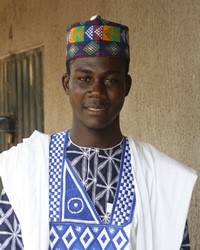
Photo Source:
Anonymous
|
Send Joshua Project a map of this people group.
|
| People Name: | Jukun, Wapan |
| Country: | Nigeria |
| 10/40 Window: | Yes |
| Population: | 224,000 |
| World Population: | 224,000 |
| Primary Language: | Wapan |
| Primary Religion: | Christianity |
| Christian Adherents: | 94.00 % |
| Evangelicals: | 10.00 % |
| Scripture: | New Testament |
| Ministry Resources: | No |
| Jesus Film: | Yes |
| Audio Recordings: | Yes |
| People Cluster: | Benue |
| Affinity Bloc: | Sub-Saharan Peoples |
| Progress Level: |

|
Introduction / History
The Wapan Jukun are a subgroup of the wider Jukun peoples of Nigeria, historically rooted in the Middle Belt region. Their identity is tied to the ancient Kwararafa civilization, a once?influential confederation in the Benue Valley. Historical accounts connect Wapan Jukun communities especially with the Wukari area, where Wapan is both a language variety and a local ethnonym.
The Jukun peoples are historically known for intricate political and spiritual systems centered around the sacred kingship of the Aku Uka in Wukari. Their early history includes connections to riverine settlements, agriculture, and interactions with neighboring peoples across Taraba, Nasarawa, Plateau, and Benue states.
What Are Their Lives Like?
Most Wapan Jukun communities sustain themselves through farming, fishing, and small-scale trade. Traditional Jukun livelihoods include cultivating yam, maize, rice, cassava, groundnuts, and vegetables, often supported by cattle, sheep, goats, poultry, and in some areas, river?based fishing.
Family structures frequently extend across multiple households, with strong kinship bonds and longstanding community ties. Many households remain engaged in social contributions such as shared farming labor and local market participation. Celebrations often incorporate colorful attire, dance, and communal feasts, reflecting deep cultural pride and heritage. Jukun cultural traditions include distinctive fabrics and ceremonial clothing, and festivals reinforce group identity and social unity.
What Are Their Beliefs?
The primary religious identity of the Wapan Jukun today is Christianity. Their heritage, however, includes traditional Jukun religious practices involving ritual specialists, seasonal ceremonies, and reverence for ancestral spirits. These traditional systems historically blended political and sacred authority, particularly within the Wukari area.
Although Christianity is widespread among the Wapan Jukun, many communities continue to navigate the relationship between older customs and modern expressions of faith.
What Are Their Needs?
The Wapan Jukun face both physical and spiritual needs. Access to improved educational opportunities, health services, and economic stability remains an ongoing concern, particularly in rural communities that rely heavily on agriculture and seasonal harvests. They also need continued discipleship, biblically grounded teaching, and strengthened community leadership that encourages spiritual growth. Social harmony among neighboring ethnic groups is another important area, as historical tensions occasionally affect the region.
Prayer Points
Where the gospel has taken root, pray that believers will grow in spiritual maturity and serve as a strong gospel presence among less?reached ethnic groups in Nigeria.
Pray for faithful local leaders who can disciple younger generations and strengthen the church's witness.
Ask God to provide improved healthcare, abundant crops, and sustainable livelihood opportunities for Wapan Jukun families.
Pray that believers among the Wapan Jukun will play a significant role in sharing the gospel with neighboring less?reached peoples.
Pray for peace and cooperation across communities where ethnic tensions or economic pressures might create strain.