Winnebago, Hocak in United States
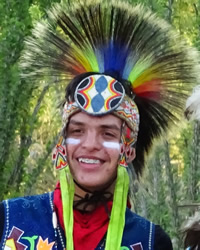
Photo Source:
William Herron - Flickr
Creative Commons
|
Send Joshua Project a map of this people group.
|
| People Name: | Winnebago, Hocak |
| Country: | United States |
| 10/40 Window: | No |
| Population: | 2,000 |
| World Population: | 2,000 |
| Primary Language: | Ho-Chunk |
| Primary Religion: | Christianity |
| Christian Adherents: | 60.00 % |
| Evangelicals: | 10.00 % |
| Scripture: | Portions |
| Ministry Resources: | Yes |
| Jesus Film: | No |
| Audio Recordings: | Yes |
| People Cluster: | North American Indigenous |
| Affinity Bloc: | North American Peoples |
| Progress Level: |

|
Introduction / History
The Ho-Chunk (also historically called "Winnebago") are a Siouan-speaking people originally based in eastern Wisconsin (around Green Bay and the western shore of Lake Michigan) with traditional territory extending into parts of present-day Minnesota, Iowa and Illinois.
Early European contact began in the 1600s; disease, warfare, and later U.S. removal policies drastically reduced their population and forced multiple relocations in the 19th century. Despite repeated removals and land cessions, many Ho-Chunk returned to Wisconsin and today maintain two federally recognized communities and a broad tribal citizenry. They maintain their Ho-Chunk language.
What Are Their Lives Like?
The Ho-Chunk Nation (Wisconsin) and the Winnebago Tribe of Nebraska are the main contemporary political entities. These people operate tribal government programs, enterprises, and cultural programming across several counties. Tribal economies include gaming/hospitality, construction, and other enterprises used to fund healthcare, education, and cultural services. Recent tribal development projects and community events (powwows, Green Corn celebrations) reflect active cultural life and economic planning.
There is active language revitalization and cultural programs (Ho-Chunk Language Division and partnerships with language organizations) plus cultural gatherings, crafts, and intergenerational teaching.
What Are Their Beliefs?
Traditional Ho-Chunk beliefs do not sharply separate "religion" from daily life; spirituality is woven into social, political, and ecological practices. Core beliefs include respect for spirit beings, a creator concept, and the central role of ceremonial life in maintaining social balance.
Seasonal ceremonies, medicine practices, and clan-based rites of passage are important. Elders and knowledge-keepers have traditionally guided ceremonial life.
Since the 19th century, many Ho-Chunk have had contact with Christian missionaries; today over half are Christian. Others practice traditional spirituality, and many blend both.
What Are Their Needs?
Like many Indigenous nations, the Winnebago/Ho-Chunk have deep ties to their ancestral lands so part of their core needs are restoring prairies, wetlands and wildlife, ensuring clean water in the Wisconsin and Nebraska homelands. Healthcare and mental health support are essential needs through expanding tribal clinics and specialists. They also need more affordable housing, clean water systems, as well as educational programs and facilities to preserve language through oral histories, songs, and traditional stories. There are also challenges in stable employment.
Prayer Points
Pray that the Winnebago people heal from historical trauma, access to mental-health and medical services.
Pray that the God of all creation provides sustainable jobs, fair opportunities, and wise stewardship of tribal enterprises.
Pray for clean water, protection of wetlands and traditional foods, and effective climate adaptation.
Pray that many will put their identity in Christ and teach his goodness and mercy to many.