Chinanteco, Tepinapa in Mexico
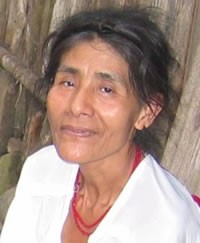
Photo Source:
Anonymous
|
Send Joshua Project a map of this people group.
|
| People Name: | Chinanteco, Tepinapa |
| Country: | Mexico |
| 10/40 Window: | No |
| Population: | 13,000 |
| World Population: | 13,000 |
| Primary Language: | Chinantec, Tepinapa |
| Primary Religion: | Christianity |
| Christian Adherents: | 95.00 % |
| Evangelicals: | 2.00 % |
| Scripture: | Translation Started |
| Ministry Resources: | No |
| Jesus Film: | No |
| Audio Recordings: | Yes |
| People Cluster: | Zapoteco |
| Affinity Bloc: | Latin-Caribbean Americans |
| Progress Level: |

|
Introduction / History
The Tepinapa Chinanteco are one of the many Chinantec groups who live in the mountainous and river valleys of northern Oaxaca, Mexico. They belong to the larger Chinantec people, an Indigenous population that has inhabited the region known as La Chinantla since long before the arrival of the Spanish. Their language is one of the Chinantec languages, which belong to the Oto-Manguean language family, one of the oldest language families in Mesoamerica.
Like other Chinantec communities, the Tepinapa Chinanteco experienced significant changes during the Spanish colonial period. Spanish authorities introduced new systems of government and encouraged communities to relocate into centralized towns. Although these changes affected traditional ways of life, the Tepinapa Chinanteco maintained their language, many of their customs, and a strong sense of community identity.
Today, the Tepinapa Chinanteco continue to preserve many aspects of their cultural heritage while also participating in modern Mexican society. Their language remains an important marker of identity, especially within family and community life, although Spanish is increasingly used in education, commerce, and communication with the wider society.
What Are Their Lives Like?
The Tepinapa Chinanteco generally live in rural communities surrounded by forests, rivers, and fertile agricultural land. Farming continues to shape daily life, with families cultivating staple crops such as corn and beans. Depending on local conditions, households may also grow coffee, fruits, or other crops common to the region. Hunting, fishing, and raising small domestic animals may supplement family diets, much as they do in neighboring Chinantec communities.
Family relationships are central to community life. Extended families often work together during planting and harvest seasons and participate in community celebrations throughout the year. Mutual cooperation has long been an important cultural value, especially during agricultural work and community improvement projects.
Traditional customs remain visible in local festivals, music, food, and storytelling. Many people continue to speak the Chinantec language in their homes, helping preserve their cultural identity across generations. While younger people are increasingly exposed to outside influences through education and migration, many families continue to value their Indigenous heritage.
What Are Their Beliefs?
Most Tepinapa Chinanteco identify with Christianity, particularly Roman Catholicism. Religious festivals and community celebrations often follow the traditional Christian calendar and remain important social events that strengthen family and community relationships.
At the same time, traditional Indigenous beliefs have influenced the spiritual worldview of many people. As in other Chinantec communities, most individuals continue to hold beliefs about spiritual beings, healing practices, and the close relationship between the natural and spiritual worlds. These traditional perspectives may exist alongside Christian beliefs rather than completely replacing them.
Evangelical congregations are also present in parts of the Chinantec region. Believers who follow Christ often seek to express their faith while honoring those aspects of their culture that are consistent with biblical teaching. Continued discipleship and biblically grounded teaching are important for helping believers grow in spiritual maturity.
What Are Their Needs?
The Tepinapa Chinanteco would benefit from continued opportunities to preserve and strengthen their language and cultural heritage. As younger generations increasingly interact with the broader Spanish-speaking society, maintaining their Indigenous language remains an important challenge. Educational resources and Christian materials in their own language can help strengthen both literacy and cultural identity.
Many families also face the challenges common to rural Indigenous communities, including limited economic opportunities and migration in search of employment. These circumstances can separate families and place pressure on traditional community life.
Spiritually, there is an ongoing need for mature local churches led by well-equipped Indigenous believers. Strong biblical teaching, discipleship, and leadership development can help churches become spiritually healthy and self-sustaining. As they continue to grow in Christ, Tepinapa Chinanteco believers can become an effective witness to neighboring Chinantec communities and other peoples throughout the region.
Prayer Points
Pray that the Tepinapa Chinanteco would continue to preserve their language and cultural heritage while growing in their understanding of God's word.
Pray that believers would become spiritually mature and firmly grounded in scripture.
Pray that God would raise up faithful local pastors, teachers, and Christian leaders who will disciple future generations.
Pray that the Tepinapa Chinanteco church would become a strong influence among neighboring Indigenous peoples who lack an adequate gospel presence.