Teop in Papua New Guinea
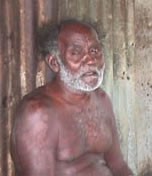
Photo Source:
Milton Kaetovuhu
|
Send Joshua Project a map of this people group.
|
| People Name: | Teop |
| Country: | Papua New Guinea |
| 10/40 Window: | No |
| Population: | 14,000 |
| World Population: | 14,000 |
| Primary Language: | Teop |
| Primary Religion: | Christianity |
| Christian Adherents: | 97.00 % |
| Evangelicals: | 31.00 % |
| Scripture: | Portions |
| Ministry Resources: | Yes |
| Jesus Film: | No |
| Audio Recordings: | Yes |
| People Cluster: | New Guinea |
| Affinity Bloc: | Pacific Islanders |
| Progress Level: |

|
Introduction / History
The Teop are an ethnic group living primarily on Bougainville Island in eastern Papua New Guinea, especially along the northeastern coast. They are part of the larger Melanesian cultural world and speak the Teop language, which belongs to the Austronesian language family. Historically, Teop communities were organized around small villages and kinship groups, with strong ties to land and sea. Their identity has been shaped by generations of subsistence living, inter-village relationships, and the influence of outside contact.
European contact began in the 19th century through traders, missionaries, and colonial administrations. Over time, Christian missions introduced new beliefs, education, and systems of leadership. In more recent decades, the Bougainville conflict affected many communities in the region, including the Teop, disrupting daily life and limiting access to services. Despite these challenges, the Teop have maintained a strong sense of cultural identity and community cohesion.
What Are Their Lives Like?
Most Teop people live in rural villages where daily life centers on subsistence agriculture and fishing. Families grow crops such as taro, sweet potatoes, bananas, and coconuts. Fishing along the coast provides an important source of protein, and food is often shared within extended families.
Work is typically divided along traditional lines. Men may focus on fishing, building, and clearing land, while women tend gardens, prepare food, and care for children. However, these roles can overlap, especially as communities adapt to changing conditions. Some Teop people also engage in small-scale trade or seasonal work.
Family life is central to Teop society. Extended families often live close together, and relationships are marked by mutual support and shared responsibilities. Elders are respected for their wisdom and play an important role in decision-making and passing down traditions.
Celebrations and social gatherings are important aspects of life. Events such as weddings, funerals, and community feasts bring people together. Music, singing, and dancing are often part of these occasions, reflecting both traditional and Christian influences.
What Are Their Beliefs?
Most Teop people identify as Christian, with Roman Catholicism being the primary affiliation due to early missionary efforts. Churches play a significant role in community life, providing not only spiritual guidance but also social structure and leadership.
At the same time, elements of traditional belief systems may still be present. These can include beliefs in ancestral spirits, the spiritual significance of the natural world, and practices related to protection or healing. In some cases, these older beliefs exist alongside Christian teachings, shaping how individuals understand illness, misfortune, and spiritual power.
While many Teop participate actively in church life, the depth of personal faith and understanding of biblical teachings can vary. In some communities, Christian practices may be more cultural than deeply rooted in personal conviction.
What Are Their Needs?
The Teop people face practical challenges related to their rural location. Access to healthcare, education, and infrastructure can be limited. Clean water, reliable transportation, and economic opportunities are ongoing needs in many villages. Improved access to schools and medical services would strengthen the overall well-being of the community.
Spiritually, there is a need for deeper understanding of Christian faith and teaching. While Christianity is widely identified, not all individuals have access to discipleship or biblical resources in their own language. Leadership training and support for local churches would help strengthen spiritual growth.
There is also a need for reconciliation and healing from past conflicts in the region. Strengthening unity within and between communities remains important.
Prayer Points
Pray for improved access to healthcare, education, and basic resources for Teop communities.
Pray for strong, biblically grounded local leaders who can guide and teach their people.
Pray for deeper personal faith and understanding of the message of Jesus among the Teop.
Pray that believers will share their faith with neighboring communities and beyond.