Efate, Southern in Vanuatu
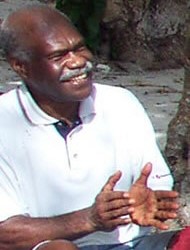
Photo Source:
Jim Stahl
|
Send Joshua Project a map of this people group.
|
| People Name: | Efate, Southern |
| Country: | Vanuatu |
| 10/40 Window: | No |
| Population: | 11,000 |
| World Population: | 11,000 |
| Primary Language: | Efate, South |
| Primary Religion: | Christianity |
| Christian Adherents: | 93.00 % |
| Evangelicals: | 43.00 % |
| Scripture: | New Testament |
| Ministry Resources: | No |
| Jesus Film: | No |
| Audio Recordings: | Yes |
| People Cluster: | Vanuatu |
| Affinity Bloc: | Pacific Islanders |
| Progress Level: |

|
Introduction / History
The Southern Efate in Vanuatu are an indigenous people living on Efate Island in Shefa Province, particularly along the southern coastal areas near communities such as Pango, Erakor, and Eton.
They are part of the wider Ni-Vanuatu cultural world, where identity is closely tied to land, language, and village life. Like many peoples of Vanuatu, their history has been preserved primarily through oral tradition, with strong continuity in clan relationships and customary practices across generations.
Their language, known as South Efate or Nafsan, belongs to the Oceanic branch of the Austronesian language family and is closely related to other Efate-area languages. Over time, missionary influence contributed to the early development of written forms of the language, especially through the translation of Christian texts.
What Are Their Lives Like?
Daily life for the Southern Efate is centered on coastal village living. Fishing, gardening, and the use of local natural resources provide the foundation for food and daily needs. The sea plays an important role not only in sustenance but also in travel and maintaining relationships between communities.
Villages are typically organized around extended families, with strong kinship ties shaping leadership and social responsibilities. Cooperation and mutual support are essential features of community life.
The South Efate language remains central to identity and everyday communication, and it continues to be actively spoken across generations. At the same time, many people also use Bislama, as well as English or French, for wider communication in the country.
Cultural traditions such as storytelling, communal gatherings, and the passing down of knowledge help preserve their identity and values.
What Are Their Beliefs?
The Southern Efate are identified primarily with Christianity, and church life plays a central role in their communities. Christian teaching has had a strong and lasting influence, and many would describe themselves as followers of Jesus Christ.
While traditional beliefs are not widely emphasized, some older perspectives on spiritual matters may still be present in the background for certain individuals. These vary and may exist alongside Christian faith.
The New Testament has been translated into the South Efate language, along with additional Scripture portions. A complete Bible is not yet available in their heart language.
What Are Their Needs?
Although Christianity is well established among the Southern Efate, there remains a need for deeper spiritual maturity and clearer understanding of Scripture. Faith must be strengthened through consistent teaching and discipleship rooted in God's Word.
Church leaders would benefit from encouragement and solid biblical training to help guide their communities faithfully. Strengthening families in their understanding of Scripture is also important so that the next generation grows in a clear and personal faith in Christ.
There is also a need for continued engagement with Scripture, and for further translation work so that more of the Bible becomes accessible in their language.
Prayer Points
Pray that the Southern Efate would grow in a deep and personal relationship with Jesus Christ, firmly grounded in Scripture.
Pray for church leaders to be strengthened, equipped, and faithful in teaching God's word.
Pray that the New Testament and available Scripture portions would be widely read, clearly understood, and lived out.
Pray for families to be rooted in biblical truth and for younger generations to follow Christ wholeheartedly.
Pray for unity among believers and a strong witness that reflects the transforming power of the gospel.