Soli in Zambia
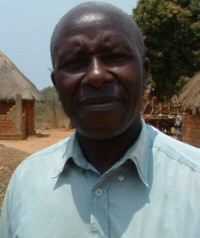
Photo Source:
Ken Sawka
|
Send Joshua Project a map of this people group.
|
| People Name: | Soli |
| Country: | Zambia |
| 10/40 Window: | No |
| Population: | 77,000 |
| World Population: | 77,000 |
| Primary Language: | Soli |
| Primary Religion: | Christianity |
| Christian Adherents: | 55.00 % |
| Evangelicals: | 18.00 % |
| Scripture: | New Testament |
| Ministry Resources: | Yes |
| Jesus Film: | Yes |
| Audio Recordings: | Yes |
| People Cluster: | Bantu, Central-South |
| Affinity Bloc: | Sub-Saharan Peoples |
| Progress Level: |

|
Introduction / History
The Soli people live primarily in the region surrounding Lusaka and parts of central Zambia, an area shaped by wooded plains, river valleys, and long-established village communities. Their language, Soli, belongs to the wider family of Bantu languages spoken throughout the country and remains an important expression of identity and cultural continuity.
Historically, the Soli developed through extended family groups organized around farming, hunting, and close ties to the land. Their history includes deep-rooted traditions related to leadership, marriage, and cooperation among households. Over time, the Soli have participated in regional trade and interaction with neighboring peoples, which helped shape aspects of their communal life. Christian influence eventually became significant, leaving an enduring mark on the spiritual character of many Soli communities.
What Are Their Lives Like?
Soli families maintain a lifestyle shaped by farming, family cooperation, and ties to the land. Many households grow crops such as maize, groundnuts, millet, and vegetables in fields tended through shared labor. Men and women often work together in clearing land, planting, harvesting, and caring for livestock. Fishing and gathering wild foods supplement what is raised in the fields.
Family ties help sustain village life. Several generations may live near one another, providing mutual help in raising children, preparing food, and caring for the elderly. Marriage arrangements, community work, and social events typically involve the participation of extended relatives.
Soli cultural life includes ceremonies connected to harvest seasons, weddings, and stages of life. Drumming, song, and dance remain meaningful ways of expressing community identity. Christian worship has become a central gathering point for many villages, offering opportunities for fellowship, prayer, and spiritual encouragement.
What Are Their Beliefs?
Christianity is the primary spiritual influence among the Soli people, and many families take part in church life through prayer, worship, and regular teaching from Scripture. The presence of Christian congregations has shaped community values and provided guidance for family life, relationships, and moral decision-making.
Some Soli individuals also acknowledge older beliefs involving spiritual forces connected to ancestors, land, or natural events. These practices represent sincere expressions of trust in unseen powers that were once viewed as essential to maintaining social harmony and personal well-being. There is a conflict between putting faith in these spirits and faith in the Lord Jesus Christ.
What Are Their Needs?
Access to reliable healthcare is an important concern for Soli communities, particularly in rural areas where medical services may be difficult to reach. Educational opportunities for children and young adults remain valuable for long-term development and for preparing families to engage with changing economic conditions. Improved transportation and local resources would strengthen daily life and help households maintain stability.
Spiritually, the Soli church community benefits from ongoing discipleship, strong leadership, and engagement with Scripture. As believers grow in their faith, they can play a significant role in strengthening families, encouraging younger generations, and taking part in the wider work of sharing Christ with people in Zambia who have fewer opportunities to hear the gospel.
Prayer Points
Pray for dependable healthcare and education for Soli families in both rural and peri?urban communities.
Pray for strong and faithful church leaders who teach Scripture clearly and guide their communities with humility.
Pray that any lingering fear of other spiritual systems will be replaced by full confidence in the Lord Jesus Christ.
Pray that Soli believers will develop a growing vision to share the hope of Christ with less?reached peoples in Africa.