Pingilapese in United States
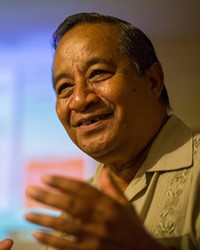
Photo Source:
Anonymous
|
Send Joshua Project a map of this people group.
|
| People Name: | Pingilapese |
| Country: | United States |
| 10/40 Window: | No |
| Population: | 600 |
| World Population: | 3,300 |
| Primary Language: | Pingelapese |
| Primary Religion: | Christianity |
| Christian Adherents: | 100.00 % |
| Evangelicals: | 19.00 % |
| Scripture: | Portions |
| Ministry Resources: | No |
| Jesus Film: | No |
| Audio Recordings: | No |
| People Cluster: | Micronesian |
| Affinity Bloc: | Pacific Islanders |
| Progress Level: |

|
Introduction / History
Pingilapese is the name of both a people and their language. The Pingilapese are a Micronesian group from Pingelap Atoll in Pohnpei, Federated States of Micronesia. Christianity arrived in Pohnpei in the mid-19th century via American Protestant and later Catholic missionaries, both firmly established by the late 1800s. Under a Compact of Free Association (COFA) with the USA, citizens of FSM, the Republic of Marshall Islands, and Palau, including Pingilapese, can migrate to the United States without a visa. Many have moved for economic opportunities, improved education, and better healthcare, especially since diabetes is a major concern.
What Are Their Lives Like?
Many Micronesians, including Pingilapese, have settled in Hawaii and Guam due to cultural connections, while smaller groups live across the U.S.
They often work in industries like poultry processing or retail, usually with church support for housing and healthcare. Challenges such as language barriers, discrimination, and low wages contribute to high rates of homelessness and poverty among the Pingilapese.
There is a high incidence of color blindness among the Pingilapeses. It traces back to a typhoon that reduced their population. The remaining people intermarried in such a way that there was a greater chance of genetic disorders. Ironically, their form of color blindness helps their fishermen to see better in the dark. They cultivate tropical fruits, including bananas, coconuts, and breadfruit, for local consumption.
For recreation, they hold parties to commemorate deaths and anniversaries. Their parties involve storytelling, music, dancing, and feasting.
What Are Their Beliefs?
Christianity plays a key role in their church and community life. Their oral histories blend ancestral animist traditions with Christian practices through storytelling, music, and rituals that honor both nature and spirituality.
What Are Their Needs?
The Pingilapese live very modestly. They mainly need more jobs, affordable housing, and better access to healthcare and education. Though some rely on Medicaid, if they qualify, while some may have employer-based insurance or look to community. It is a blend of different coverage paths including heavy reliance on community support to fill in the gaps.
Prayer Points
Pray for the Holy Spirit to do what only he can do: revive and strengthen Pingilapese families and churches.
Pray for the Lord to anoint Pingilapeses to find new ways to earn a living.
Pray for the Lord to bless their families and marriages with abundant love and respect.
Pray that they have a longing for a personal relationship with their Creator and that this truth pervades their pastor's preaching and teaching.
A Bible in their mother tongue is soon to be completed. Pray for its completion.