Palauan in Palau
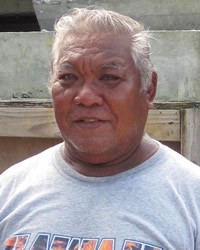
Photo Source:
Anonymous
|
Send Joshua Project a map of this people group.
|
| People Name: | Palauan |
| Country: | Palau |
| 10/40 Window: | No |
| Population: | 10,000 |
| World Population: | 19,400 |
| Primary Language: | Palauan |
| Primary Religion: | Christianity |
| Christian Adherents: | 95.60 % |
| Evangelicals: | 24.00 % |
| Scripture: | New Testament |
| Ministry Resources: | Yes |
| Jesus Film: | Yes |
| Audio Recordings: | Yes |
| People Cluster: | Micronesian |
| Affinity Bloc: | Pacific Islanders |
| Progress Level: |

|
Introduction / History
The Palauan people are the indigenous inhabitants of the island nation of Palau in Micronesia. Their traditional language is Palauan, known locally as a tekoi er a Belau.
Palau has experienced long periods of outside influence—including Spanish, German, Japanese, and American presence—which shaped its cultural and linguistic development. Under Japanese administration (1914–1944), many Japanese loanwords entered everyday speech, while later American influence introduced English terms.
Historically, Palauan communities lived in village-based societies on various islands, with deep ties to clan identity and land. Over generations, Palauans maintained strong connections to their homeland even as some migrated abroad, especially to Guam and the United States, forming active diaspora communities.
What Are Their Lives Like?
Palauan daily life centers around family, community, and the sea. Many work in fishing, farming, tourism, and government services. Fishing has long held cultural and economic importance, and knowledge of sea life remains a valued skill passed down through families.
Local foods include taro, coconut, fish, breadfruit, rice, and tropical fruits. Meals often reflect both traditional Palauan dishes and influences from former colonial powers and neighboring cultures.
Family relationships are strong, with kinship shaping social responsibility and identity. Community bonds are reinforced through shared work, village gatherings, and participation in local decision-making.
Celebrations often involve dance, storytelling, and communal feasting. Traditional practices remain respected even as modern life brings new influences. Palauan society is also multilingual, with Palauan, English, and other Micronesian languages commonly heard.
What Are Their Beliefs?
Christianity is widespread among the Palauan people, expressed through multiple denominations such as Catholic and Protestant traditions. Many communities weave faith into daily life, viewing church as a place of guidance, fellowship, and blessing.
Some Palauans also follow Modekngei, a belief system that blends indigenous practices with aspects of Christianity, reflecting the cultural value placed on both tradition and spiritual seeking.
Respect for ancestral customs remains, particularly in ceremonies, land stewardship, and community leadership roles, though these practices coexist with the central role of Christian faith in Palauan society.
What Are Their Needs?
Educational and economic opportunities continue to develop, yet families in smaller islands and rural villages may face limited access to resources that support long-term stability. Strengthening language vitality remains important, as modern pressures influence how younger generations use Palauan in daily life.
Healthcare access can be uneven across islands, and reliable transportation is essential for reaching medical services. Spiritual growth, strong family relationships, and Christ-centered community leadership are ongoing desires among believers.
Continued encouragement for local churches to deepen discipleship, uplift families, and extend compassionate outreach remains vital for holistic well-being.
Prayer Points
Pray for Palauan believers to grow in maturity and confidence in following Jesus Christ in daily life.
Pray for stronger family relationships, healthy communities, and access to improved education and healthcare.
Pray for the vitality of the Palauan language and for resources that support learning and engagement with Scripture.
Pray that Palauan churches will send workers to communities both within and beyond Palau that lack a gospel witness.