Padhola, Dama in Uganda
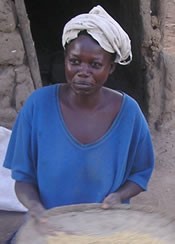
Photo Source:
Cheryl Bryan
|
Send Joshua Project a map of this people group.
|
| People Name: | Padhola, Dama |
| Country: | Uganda |
| 10/40 Window: | No |
| Population: | 698,000 |
| World Population: | 698,000 |
| Primary Language: | Jopadhola |
| Primary Religion: | Christianity |
| Christian Adherents: | 95.00 % |
| Evangelicals: | 33.00 % |
| Scripture: | Complete Bible |
| Ministry Resources: | Yes |
| Jesus Film: | Yes |
| Audio Recordings: | Yes |
| People Cluster: | Nilotic |
| Affinity Bloc: | Sub-Saharan Peoples |
| Progress Level: |

|
Introduction / History
The Dama Padhola people live in eastern Uganda, primarily in the Tororo region. They are part of the larger Padhola ethnic group, which speaks a dialect of the Luo language family. Historically, the Padhola migrated from present-day Kenya centuries ago, settling in fertile areas suitable for farming. Over time, they developed a strong cultural identity rooted in clan systems and traditional leadership structures. Their history reflects resilience and adaptation to changing political and social environments.
What Are Their Lives Like?
The Dama Padhola people are primarily agriculturalists. They grow crops such as maize, millet, cassava, and beans, and many families also raise livestock like goats and chickens. Meals often center around staples such as posho (maize meal) and vegetables, with occasional meat. Family life is close-knit, with extended relatives living nearby and sharing responsibilities. Celebrations include weddings, harvest festivals, and Christian holidays, which are marked by music, dancing, and communal feasts. Education is valued, and many families strive to send their children to school, though resources can be limited.
What Are Their Beliefs?
The Dama Padhola people are primarily Christian, with both Catholic and Protestant traditions represented. Church life plays an important role in the community, and worship services are often lively and communal. While Christianity is dominant, some traditional practices and beliefs persist, especially in rural areas, where cultural rituals may accompany life events. These practices are generally seen as cultural rather than spiritual but reflect the community's heritage.
What Are Their Needs?
Access to quality healthcare and education remains a challenge in rural areas. Economic opportunities beyond farming are limited, and many families struggle to find stable employment. Spiritually, there is a need for deeper discipleship and biblical teaching to strengthen faith and encourage active participation in global mission efforts. Young people especially need guidance to integrate their faith with modern challenges and opportunities.
Prayer Points
Pray for strong local churches that teach and live out the gospel faithfully.
Pray that soon there will be Dama Padhola Christians going as Christ's ambassadors to gospel-starved communities.
Ask God to provide improved educational and economic opportunities for families.
Pray for young people to embrace their calling as part of the global discipleship force.