Naho in Papua New Guinea
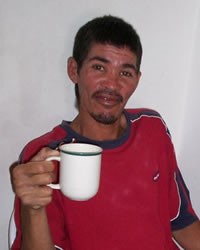
Photo Source:
Evangelist Koos Smit
|
Send Joshua Project a map of this people group.
|
| People Name: | Naho |
| Country: | Papua New Guinea |
| 10/40 Window: | No |
| Population: | 13,000 |
| World Population: | 13,000 |
| Primary Language: | Iyo |
| Primary Religion: | Christianity |
| Christian Adherents: | 99.00 % |
| Evangelicals: | 21.00 % |
| Scripture: | New Testament |
| Ministry Resources: | Yes |
| Jesus Film: | No |
| Audio Recordings: | No |
| People Cluster: | New Guinea |
| Affinity Bloc: | Pacific Islanders |
| Progress Level: |

|
Introduction / History
The Naho are an ethnic group living in the West Sepik (Sandaun) Province of Papua New Guinea, in a region marked by dense forests, rivers, and scattered rural settlements. They are one of many small, distinct peoples in this linguistically diverse area. The Naho speak their own language, which reflects their heritage and their connections with nearby groups.
Historically, the Naho lived in small, clan-based communities that depended heavily on the natural environment. Their location contributed to a degree of isolation, shaping a way of life centered on self-sufficiency and close family ties. Leadership traditionally rested with respected men in the community who demonstrated wisdom, strength, and the ability to guide others.
Contact with outsiders increased during the colonial period through government patrols and missionary efforts. These encounters introduced Christianity, basic education, and limited access to outside goods and systems. Despite these influences, the Naho have retained many aspects of their traditional lifestyle while gradually adapting to change.
What Are Their Lives Like?
The daily life of the Naho revolves around subsistence agriculture and the use of local resources. Families grow staple crops such as sweet potatoes, taro, bananas, and yams. Sago may also be an important part of the diet, depending on the local environment. Hunting and fishing provide additional food, especially protein.
Work is shared among family members. Men are typically responsible for clearing land, hunting, and building homes, while women tend gardens, prepare food, and care for children. Children learn practical skills by participating in daily activities from an early age.
Family and clan relationships are central to Naho society. Extended families often live close together, supporting one another through shared work and resources. Elders are respected for their knowledge and play an important role in teaching traditions and maintaining social harmony.
Community life includes gatherings for ceremonies, feasts, and important life events such as marriages and funerals. These occasions often involve the sharing of food, as well as singing and dancing. They help strengthen relationships and preserve cultural identity.
What Are Their Beliefs?
The Naho are identified as Christians, with Protestant traditions being the most common due to missionary influence. Churches are an important part of village life and serve as centers for worship, teaching, and community interaction.
At the same time, traditional beliefs continue to influence how many people understand the world. These may include beliefs in spirits, ancestral influence, and unseen forces that affect health, crops, and daily life. Practices related to protection, healing, or responding to misfortune may still be present.
In some communities, Christian faith is expressed mainly through participation in church activities, and access to consistent biblical teaching may be limited. This can result in a blending of Christian and traditional beliefs, with varying levels of personal understanding.
What Are Their Needs?
The Naho face physical challenges due to their remote location. Access to healthcare is limited, and preventable illnesses can affect many families. Clean water and proper sanitation are important needs. Educational opportunities are also limited, especially for children in isolated areas.
Economic opportunities are scarce, and most families rely on subsistence farming. Improved infrastructure, including transportation and communication, would help connect communities to essential services and markets.
Spiritually, there is a need for deeper understanding of the Christian faith. Many would benefit from access to Scripture in their own language and from trained leaders who can provide consistent teaching. Encouragement and support for local churches would help strengthen faith and community life.
Prayer Points
Pray for access to healthcare, clean water, and education for the Naho people.
Pray for strong, well-trained leaders to guide the churches.
Pray for a deeper understanding of the gospel and personal faith in Christ.
Pray that Naho believers will share their faith with nearby communities.