Arab, Moroccan in United Arab Emirates
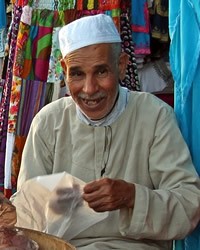
Photo Source:
Monica Volpin - Pixabay
|
Send Joshua Project a map of this people group.
|
| People Name: | Arab, Moroccan |
| Country: | United Arab Emirates |
| 10/40 Window: | Yes |
| Population: | 9,200 |
| World Population: | 31,964,300 |
| Primary Language: | Arabic, Moroccan |
| Primary Religion: | Islam |
| Christian Adherents: | 0.00 % |
| Evangelicals: | 0.00 % |
| Scripture: | Complete Bible |
| Ministry Resources: | Yes |
| Jesus Film: | Yes |
| Audio Recordings: | Yes |
| People Cluster: | Arab, Maghreb |
| Affinity Bloc: | Arab World |
| Progress Level: |

|
Introduction / History
Arabs represent the largest, most diverse, and most politically influential Muslim ethnic grouping in the world. There are several characteristics that determine if a person is a true Arab. The early Islamic period was a time when "Arab identity" meant that all Arabs had descended from a common male ancestor. Thus, being an Arab brought recognition, honor and certain privileges. Their physical, geographical and religious aspects all vary greatly. However, the ability to speak Arabic (or an Arabic dialect) and identification with the Arabian cultural heritage are, perhaps, the two most essential elements.
Things became more complicated as Arab armies stormed through North Africa. They eventually blended with Berber peoples, causing local Arabic to include Berber words. That was the case in Morocco, on the western edge of the Arab Empire. Moroccan Arabs often don't identify with the Arab world as much as someone from the Arabian Peninsula like those from the United Arab Emirates.
What Are Their Lives Like?
Moroccans in the UAE often come as academics, entrepreneurs, or businessmen. They have added to the economy and culture of this culturally-distant Arab nation.
Family remains central, with strong respect for elders and close-knit ties. Hospitality is highly valued, and gatherings often feature Moroccan dishes such as couscous, tagine, and mint tea. Religious holidays like Eid al-Fitr and Eid al-Adha are celebrated alongside Moroccan traditions, creating a blend of North African and Arabian customs.
What Are Their Beliefs?
Moroccans in the UAE are overwhelmingly Sunni Muslim, following Islamic practices deeply rooted in both Moroccan and Saudi traditions. Daily prayers, fasting during Ramadan, and pilgrimage are central expressions of faith. Islam shapes their worldview, identity, and community life.
What Are Their Needs?
There is a profound need for the gospel to be shared in ways that honor Moroccan culture and language. They are still in a Muslim-dominated culture. It will probably require someone to use creative methods of sharing Christ in this gospel-starved part of the world.
Prayer Points
Pray for Moroccans in the UAE to encounter Jesus Christ through personal relationships and media resources.
Ask God to raise up believers who can share the gospel in Arabic and French with cultural sensitivity.
Pray that Moroccan families will experience peace, hope, and transformation through Christ.
Pray for Moroccan Christians living in the UAE to be strengthened in faith and boldness despite restrictions.
Intercede for improved living conditions, fair treatment, and protection for Moroccan workers in the UAE.