Mayo in Mexico
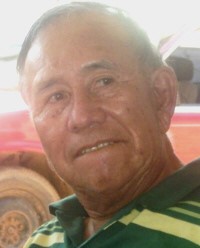
Photo Source:
Anonymous
|
Send Joshua Project a map of this people group.
|
| People Name: | Mayo |
| Country: | Mexico |
| 10/40 Window: | No |
| Population: | 182,000 |
| World Population: | 182,000 |
| Primary Language: | Mayo |
| Primary Religion: | Christianity |
| Christian Adherents: | 96.00 % |
| Evangelicals: | 20.00 % |
| Scripture: | New Testament |
| Ministry Resources: | Yes |
| Jesus Film: | No |
| Audio Recordings: | Yes |
| People Cluster: | Central American Indigenous, other |
| Affinity Bloc: | Latin-Caribbean Americans |
| Progress Level: |

|
Introduction / History
The Mayo people, who call themselves Yoreme ("the people who respect tradition"), live primarily in the states of Sonora and Sinaloa in northwestern Mexico. Historically, they were agricultural people who cultivated corn, beans, and squash along the Mayo and Fuerte Rivers long before Spanish contact. In the 1600s, Jesuit missionaries introduced Roman Catholicism, which became deeply integrated into Mayo culture. While the Mayo identify strongly as Catholic, many communities blend traditional Indigenous spiritual practices with church rituals.
Over centuries, they have faced colonization, land disputes, and social marginalization, yet they have preserved elements of their language, ceremonies, and communal identity.
What Are Their Lives Like?
Many Mayo families live in small rural communities in the states of Sonora and Sinaloa in northwestern Mexico. Agriculture remains a primary way of life, with families growing crops such as corn and beans, raising livestock, or working as seasonal laborers in larger farming operations. Fishing also supports some communities located near rivers or coastal areas. Daily life often centers around extended family networks, where cooperation and shared responsibilities are highly valued.
Economic challenges are common. Limited job opportunities in rural villages sometimes lead individuals to migrate temporarily to larger cities in search of work. Access to healthcare, higher education, and infrastructure can be limited, contributing to ongoing cycles of poverty in certain areas. Despite these hardships, Mayo communities demonstrate resilience through strong social bonds and cultural continuity.
Community celebrations and traditional festivals play an important role in Mayo life. Events surrounding Holy Week are especially significant, bringing together music, dance, and ceremonial expression. Traditional performances such as the deer dance continue to be practiced, reflecting a deep connection to cultural heritage. These gatherings intend to reinforce identity, unity, and shared history within the community.
What Are Their Beliefs?
Most Mayo people identify as Roman Catholic, a legacy of missionary efforts that began during the Spanish colonial period. Over generations, Catholic teachings became integrated into community life, influencing religious celebrations, moral values, and social customs. Church festivals, saints' days, and Holy Week observances are central expressions of faith in many villages.
At the same time, traditional indigenous spiritual elements remain influential. Some communities continue to hold beliefs that reflect respect for nature, ancestral spirits, and spiritual forces connected to the land. These practices are often blended with Catholic forms of worship, creating a unique religious expression that combines elements of both traditions.
Access to Bible teaching, discipleship materials, and Christian resources in their primary language is limited. There is a continued need for culturally sensitive ministry efforts that present biblical teaching clearly while respecting the community's history and identity.
What Are Their Needs?
The Mayo people have both spiritual and practical needs. Spiritually, there is a need for greater access to the Bible and Christian teaching in their heart language, along with consistent discipleship that helps believers grow in a clear understanding of Scripture. The development of trained local leaders—pastors, teachers, and evangelists from within the Mayo community—is essential for long-term, sustainable church growth.
In addition to spiritual needs, many Mayo communities face socioeconomic challenges. Poverty, limited access to quality education, and inadequate healthcare services affect daily life in rural areas of Sonora and Sinaloa in Mexico. Strengthening community development efforts, improving educational opportunities, and increasing access to medical care would contribute to overall well-being and stability. Holistic ministry that addresses both spiritual and physical needs can have a meaningful impact.
Prayer Points
Pray that Mayo believers would grow in deep, biblically grounded faith and become bold witnesses for Christ within their own communities and with others.
Pray that God raises committed Christian workers from among the Mayo who will share the gospel faithfully and disciple others with love, compassion, and courage.
Pray that they would sense a calling not only to reach their own people but also to serve as missionaries to other groups who do not yet have the hope of Christ.
Pray for the translation, distribution, and understanding of Scripture so that God's word may become a daily part of their lives.
Pray that the Lord provides training, encouragement, and unity among emerging church leaders.