Mankanya in Guinea-Bissau
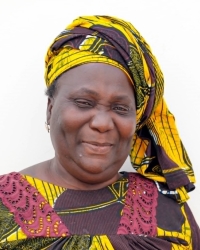
Photo Source:
Copyrighted © 2026
Kerry Olson All rights reserved. Used with permission |
Send Joshua Project a map of this people group.
|
| People Name: | Mankanya |
| Country: | Guinea-Bissau |
| 10/40 Window: | Yes |
| Population: | 65,000 |
| World Population: | 119,600 |
| Primary Language: | Mankanya |
| Primary Religion: | Ethnic Religions |
| Christian Adherents: | 24.00 % |
| Evangelicals: | 2.00 % |
| Scripture: | New Testament |
| Ministry Resources: | Yes |
| Jesus Film: | Yes |
| Audio Recordings: | Yes |
| People Cluster: | Balanta-Jola |
| Affinity Bloc: | Sub-Saharan Peoples |
| Progress Level: |

|
Introduction / History
The Mankanya are an indigenous West African people living primarily in the northwestern part of Guinea-Bissau, with related communities in Senegal and The Gambia. They are also known by names such as Mancanha, Mancagne, Brame, and Mankaya. Their identity is closely tied to the Mankanya language, a member of the Bak branch of the Niger-Congo language family. While many Mankanya also speak Guinea-Bissau Creole or other regional languages for trade and education, their own language remains central to community identity.
The Mankanya have lived in the Senegambian region for centuries, maintaining a distinct cultural identity despite interaction with neighboring peoples and the influence of colonial rule. Migration within the region has resulted in Mankanya-speaking communities across national borders, yet family ties and shared traditions continue to unite them.
What Are Their Lives Like?
The Mankanya are largely rural, and daily life is shaped by agriculture, fishing, and small-scale trading. Families cultivate staple crops such as rice, millet, maize, and groundnuts, while some households keep livestock or supplement their income through fishing and local commerce. Seasonal farming cycles influence much of the community's rhythm of life.
Extended families play a significant role in raising children, resolving disputes, and preserving community traditions. Respect for elders is deeply valued, and important life events—including births, marriages, and funerals—are marked by communal gatherings that strengthen family bonds. Music, dancing, storytelling, and ceremonial celebrations continue to be important expressions of Mankanya identity, even as younger generations increasingly interact with urban centers and modern education.
What Are Their Beliefs?
Many Mankanya identify with Christianity, particularly Roman Catholicism. At the same time, traditional ethnic religious beliefs remain influential for most people. Some place their trust in ancestral spirits, sacred places, ritual specialists, and spiritual practices that are believed to offer protection, healing, guidance, or blessing. These beliefs often shape responses to sickness, misfortune, and significant life decisions.
Although the New Testament and other Christian resources are available in the Mankanya language, many people have not experienced biblical discipleship that clearly points them to salvation by grace through faith in Jesus Christ alone. Scripture teaches that forgiveness of sins and eternal life are found only through him, not through rituals, spirits, or any other spiritual power.
What Are Their Needs?
Many Mankanya communities would benefit from stronger healthcare services, improved schools, reliable access to clean water, and opportunities for sustainable economic development. Continued investment in literacy and education in the Mankanya language would also help preserve their linguistic heritage while supporting learning.
Spiritually, there is a need for mature, Bible-centered discipleship, faithful local churches, and Christian leaders who can teach God's word clearly in the heart language of the people. Gospel resources will help future generations encounter the message of Christ in ways they can fully understand.
Prayer Points
Pray that the Mankanya will come to place their faith in Jesus Christ alone for salvation.
Pray for strong, biblically faithful churches and Christian leaders to grow among the Mankanya people.
Pray for improved healthcare, education, and economic opportunities for Mankanya families.
Pray that Scripture and discipleship resources in the Mankanya language will bear lasting spiritual fruit.