Katbol in Vanuatu
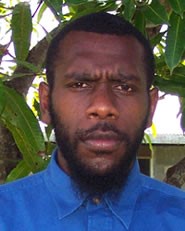
Photo Source:
Jim Stahl
|
Send Joshua Project a map of this people group.
|
| People Name: | Katbol |
| Country: | Vanuatu |
| 10/40 Window: | No |
| Population: | 11,000 |
| World Population: | 11,000 |
| Primary Language: | Avava |
| Primary Religion: | Christianity |
| Christian Adherents: | 89.00 % |
| Evangelicals: | 40.00 % |
| Scripture: | Translation Started |
| Ministry Resources: | No |
| Jesus Film: | No |
| Audio Recordings: | No |
| People Cluster: | Vanuatu |
| Affinity Bloc: | Pacific Islanders |
| Progress Level: |

|
Introduction / History
The Katbol in Vanuatu are an indigenous people living in the central region of Malekula Island in Malampa Province. Their communities are part of the broader Ni-Vanuatu cultural world, where identity is closely tied to land, language, and village life.
Like many groups in Vanuatu, the Katbol have a history preserved primarily through oral tradition. Generations have passed down knowledge, customs, and social structures within small, closely connected communities. Their relative geographic isolation has helped maintain a distinct identity over time.
They are associated with the Avava language, sometimes also called Katbol, which connects them to neighboring groups while preserving their unique cultural expression.
What Are Their Lives Like?
Daily life for the Katbol centers on village living and subsistence activities. Gardening, fishing, and the use of forest resources provide the foundation for food and daily needs. The land and surrounding environment play a central role in sustaining families and shaping routines.
Communities are typically organized around extended families, with strong kinship ties guiding leadership, responsibilities, and cooperation. Respect for elders and shared work are essential elements of social life.
Homes are built using local materials suited to the tropical climate. The Avava language is used in everyday communication and remains a key part of identity, while Bislama or other languages may be used for wider interaction.
Cultural life includes storytelling, communal gatherings, and the passing down of traditions that reinforce unity and continuity across generations.
What Are Their Beliefs?
The Katbol are identified primarily with Christianity, and church life plays an important role within their communities. Christian teaching has influenced both personal faith and community structure.
At the same time, some traditional beliefs may still be present in the background, particularly in how certain individuals understand spiritual matters or interpret life events. These perspectives can vary and may exist alongside Christian faith.
Scripture translation into their language has begun, but access to the full Bible or complete New Testament is still limited.
What Are Their Needs?
Although Christianity is well established among the Katbol, there remains a need for deeper spiritual growth and a clearer understanding of Scripture. Continued discipleship and faithful teaching are essential so that faith is firmly grounded in God's Word.
Church leaders would benefit from encouragement and biblical training to help guide their communities with clarity and faithfulness. Strengthening families in their understanding of Scripture is also important for passing the faith to future generations.
There is a continuing need for further Scripture translation and accessible resources so that God's Word can be clearly understood in their heart language.
Like many island communities, they also face challenges related to education, resources, and maintaining their cultural identity in a changing world.
Prayer Points
Pray that the Katbol would grow in a deep and personal relationship with Jesus Christ, firmly rooted in the truth of scripture.
Pray for church leaders to be strengthened, equipped, and faithful in teaching God's Word.
Pray that Scripture translation would progress and that God's Word would become more accessible in their language.
Pray for families to be grounded in biblical truth and for younger generations to follow Christ wholeheartedly.
Pray for unity among believers and a strong witness that reflects the transforming power of the gospel.