Moor, Haratine (Black) in Mauritania
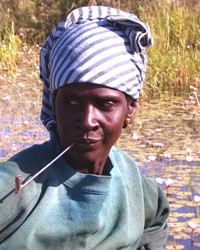
Photo Source:
Kieran - Flickr
Creative Commons
|
Send Joshua Project a map of this people group.
|
| People Name: | Moor, Haratine (Black) |
| Country: | Mauritania |
| 10/40 Window: | Yes |
| Population: | 2,642,000 |
| World Population: | 2,808,000 |
| Primary Language: | Hassaniyya |
| Primary Religion: | Islam |
| Christian Adherents: | 0.00 % |
| Evangelicals: | 0.00 % |
| Scripture: | New Testament |
| Ministry Resources: | Yes |
| Jesus Film: | Yes |
| Audio Recordings: | Yes |
| People Cluster: | Arab, Hassaniya |
| Affinity Bloc: | Arab World |
| Progress Level: |

|
Introduction / History
The Black Moor (Haratine) people of Mauritania are a distinct ethnic community shaped by Saharan life, Islamic tradition, and a long history of social marginalization. Though they share language, religion, and many cultural practices with Arab-Berber Moors, their identity has been formed by generations of inequality rooted in Mauritania's caste system.
What Are Their Lives Like?
While many have established independent communities over time, limited access to land, education, and employment remains a challenge. Their culture values hospitality, respect for elders, and the preservation of identity through language, storytelling, poetry, and music.
Black Moor daily life centers on subsistence and community. Many work in herding, farming, or informal labor, with livelihoods often vulnerable to drought and economic instability. Meals are built around simple staples like millet, rice, and couscous, and sharing sweet tea is an important social tradition. Family and extended kin networks are central, with multigenerational households and collective decision-making. Religious festivals and weddings are key celebrations, marked by prayer, music, and shared meals.
What Are Their Beliefs?
The Black Moors are deeply shaped by Sunni Islam, which influences daily rhythms, moral values, and community identity. Prayer, fasting during Ramadan, and reverence for the Koran are central to life. Islamic teachers and local religious leaders hold significant influence, and spiritual traditions are often woven into everyday practices.
Faith is not only personal but communal—beliefs guide family relationships, social responsibility, and concepts of honor and shame. While devotion is sincere, access to religious education varies, and many rely on oral teaching and tradition rather than formal study.
What Are Their Needs?
Despite abolition, Haratines continue to face discrimination and lack representation in government. Better economic opportunities, would help those who remain trapped in poverty, with limited access to land ownership or skilled employment. Many Haratine children have little or no access to quality education, leaving many illiterate and without vocational training. Rural communities lack access to adequate medical and healthcare facilities, and poverty limits access to treatment. Few Haratines have encountered Christian teaching in their own language, leaving them spiritually unreached.
Prayer Points
Pray for justice, dignity, and restoration where generations have experienced inequality.
Ask God to provide education and economic opportunities that break cycles of poverty.
Pray for families to be strengthened with hope, healing, and unity.
Ask that they would encounter God's love in ways that speak clearly to their hearts and culture.
Pray for courageous and compassionate believers who can serve and walk alongside Black Moor communities with humility and love.
Pray that soon, there will be Black Moors who follow Christ, and take his name to those who aren't experiencing his blessings.