Guatuso, Maleku Jaika in Costa Rica
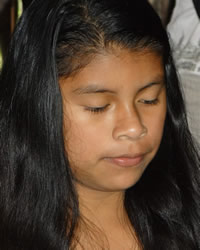
Photo Source:
Wayne77 - Wikimedia
Creative Commons
|
Send Joshua Project a map of this people group.
|
| People Name: | Guatuso, Maleku Jaika |
| Country: | Costa Rica |
| 10/40 Window: | No |
| Population: | 1,400 |
| World Population: | 1,400 |
| Primary Language: | Maleku Jaika |
| Primary Religion: | Christianity |
| Christian Adherents: | 80.00 % |
| Evangelicals: | 4.00 % |
| Scripture: | Unspecified |
| Ministry Resources: | No |
| Jesus Film: | No |
| Audio Recordings: | Yes |
| People Cluster: | Central American Indigenous, other |
| Affinity Bloc: | Latin-Caribbean Americans |
| Progress Level: |

|
Introduction / History
The Maleku (historically called Guatuso) are an indigenous people of northern Costa Rica whose story is closely tied to the forests and river systems of the Río Frío basin. Their heritage connects with the wider Chibchan world, and their own language—Maléku Jaíka—locates them within that family. Generations of Maleku have maintained identity through oral history, kin networks, and attachment to ancestral places, including communities historically documented around today's Guatuso area. Over time they encountered missionaries, traders, and settlers, yet community memory, ceremonies, and craftsmanship helped preserve continuity even as people navigated new economic and social realities.
What Are Their Lives Like?
Maleku community life often centers on three principal settlements in the northern lowlands, where households combine farming, gathering of forest resources, and participation in regional markets. Knowledge of plants, waterways, soils, and seasonal change is passed on through family practice and community instruction. Carving, painting, and instrument-making remain visible expressions of identity, alongside storytelling and music used in teaching younger generations. Paths and rivers link homes to nearby towns, and some families engage in cultural tourism or artisan sales as complementary livelihood strategies.
What Are Their Beliefs?
Using the internal baseline, many Maleku identify in some way with Christianity. Expressions of faith vary by family and village, and depth of understanding is not uniform. Elements of long-standing cultural practice and respect for the natural world continue to shape community life for some, though such features should be described carefully and not overstated. Where the gospel has taken root, believers may gather for prayer, worship, and learning from Scripture when available, with patient discipleship helping new believers grow in a clear understanding of Christ.
What Are Their Needs?
Enduring, relational ministry serves the Maleku well—ministry that honors language, culture, and community rhythms while pointing people to the hope found in Jesus. Clear Bible teaching, mentoring for emerging leaders, and resources that foster Scripture engagement can strengthen households and small fellowships. Families benefit from encouragement that supports marriage, nurtures children and youth, and integrates faith with daily decisions about work, community responsibilities, and peacemaking.
Prayer Points
Pray for Maleku believers to grow in maturity through regular engagement with God's Word and fellowship in Christ.
Pray for wise, humble local leaders who can teach clearly and serve their communities with integrity.
Pray for Maleku families to experience unity, healing, and hope in Christ amid changing economic and cultural pressures.
Pray for Scripture engagement in forms that are understandable and valued within Maleku homes and gatherings.
Pray that Maleku believers will joyfully share Christ with neighboring communities in love and humility.