Galambi in Nigeria
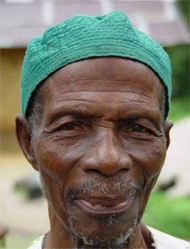
Photo Source:
Copyrighted © 2026
GoWestAfrica All rights reserved. Used with permission |
Send Joshua Project a map of this people group.
|
| People Name: | Galambi |
| Country: | Nigeria |
| 10/40 Window: | Yes |
| Population: | 45,000 |
| World Population: | 45,000 |
| Primary Language: | Galambi |
| Primary Religion: | Islam |
| Christian Adherents: | 14.00 % |
| Evangelicals: | 2.00 % |
| Scripture: | Translation Started |
| Ministry Resources: | No |
| Jesus Film: | No |
| Audio Recordings: | Yes |
| People Cluster: | Chadic |
| Affinity Bloc: | Sub-Saharan Peoples |
| Progress Level: |

|
Introduction / History
The Galambi people are an ethnic community living in northeastern Nigeria, where their identity is shaped by a shared language, ancestry, and enduring attachment to their homeland. Their language belongs to the Afro-Asiatic family, reflecting long-standing historical connections within the region. Galambi history has been preserved primarily through oral tradition, recounting ancestral origins, migration within the area, and the formation of clans that continue to structure community life. Over time, regional trade, Islamic influence, colonial administration, and modern Nigerian governance have contributed to social and cultural change. Despite these influences, Galambi society remains deeply rooted in family ties, respect for elders, and strong communal values.
What Are Their Lives Like?
Most Galambi families depend on agriculture as the foundation of daily life. Small-scale farming provides food and income, with households cultivating crops suited to local soils and seasonal rainfall. Some families also raise livestock or engage in local trade, particularly in nearby markets that serve as centers for commerce and social interaction. Work is organized around the agricultural calendar, and cooperation among relatives is essential, especially during planting and harvest seasons.
Family life is strongly communal, with extended families often living in close proximity. Elders hold respected roles as advisors and decision-makers, guiding matters related to land, marriage, and conflict resolution. Marriage strengthens ties between families and reinforces social stability. Children are highly valued and are raised within a supportive network of parents, grandparents, and relatives who share responsibility for instruction and care.
Celebrations accompany important life events such as marriages, naming ceremonies, and religious festivals. These occasions bring the community together through shared meals, music, and conversation. Daily food typically consists of grain-based dishes served with vegetable or legume sauces, with meat reserved for special events. Hospitality and generosity are important cultural expressions that help maintain harmony and mutual support.
What Are Their Beliefs?
The Galambi people are primarily Muslim, and Islamic belief plays a central role in shaping moral values, daily routines, and community life. Prayer, religious instruction, and observance of Islamic festivals provide a shared framework for worship and identity. Faith is generally understood within a communal context, closely tied to family and cultural belonging. Like other Muslims in this part of the world, the Galambis blend traditional religion with Islamic teachings. Faith in Christ is unfamiliar or misunderstood, and spiritual conversations are shaped by deeply rooted religious traditions. Yet, there are some Christians among them.
What Are Their Needs?
The Galambi community faces physical challenges related to access to quality education, healthcare, and sustainable economic opportunities. Agricultural livelihoods remain vulnerable to environmental variability, which can affect food security and family stability. Young people often seek guidance and training that would enable them to build meaningful futures while honoring community values.
Spiritually, the message of salvation and hope found in Jesus Christ remains largely inaccessible. Many Galambi have not had the opportunity to hear the gospel in clear, culturally understandable ways. Scripture resources in familiar languages, faithful workers, and long-term discipleship are needed so that individuals and families can encounter Christ and grow in biblical faith. A long-term vision is also essential for future Galambi believers to become mature disciples who participate in God's global mission.
Prayer Points
Pray that Galambi families would experience God's goodness through peace, provision, and strengthened relationships.
Ask the Lord Jesus Christ to reveal himself as Savior and Redeemer, drawing hearts to his mercy and truth.
Pray for workers who will serve among the Galambi with love, humility, wisdom, and enduring commitment.
Intercede for future Galambi believers to be firmly rooted in Scripture and raised up as part of the global discipleship force.