Dirya in Nigeria
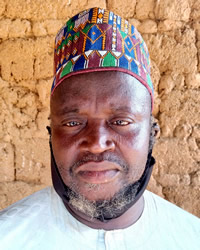
Photo Source:
Anonymous
|
Send Joshua Project a map of this people group.
|
| People Name: | Dirya |
| Country: | Nigeria |
| 10/40 Window: | Yes |
| Population: | 15,000 |
| World Population: | 15,000 |
| Primary Language: | Dirya |
| Primary Religion: | Islam |
| Christian Adherents: | 6.00 % |
| Evangelicals: | 0.50 % |
| Scripture: | Translation Started |
| Ministry Resources: | No |
| Jesus Film: | No |
| Audio Recordings: | Yes |
| People Cluster: | Chadic |
| Affinity Bloc: | Sub-Saharan Peoples |
| Progress Level: |

|
Introduction / History
The Dirya are an indigenous Chadic-speaking people of northeastern Nigeria. They live mainly along the boundary between Jigawa and Bauchi States and share close linguistic and cultural ties with the neighboring Choogen people. According to local tradition, both groups migrated from the Borno region before settling in their present homeland, eventually developing separate identities while retaining many common cultural features.
Their language, Dirya, belongs to the West Chadic branch of the Afro-Asiatic language family. Although the language remains an important marker of identity, many Dirya also communicate in Hausa for trade, education, and interaction with surrounding communities. Bible translation work in Dirya has begun, but access to Christian resources in the language remains limited.
What Are Their Lives Like?
The Dirya are primarily subsistence farmers whose livelihoods depend on the seasonal rains. Families cultivate crops such as guinea corn, millet, beans, groundnuts, and benniseed, while some households also raise cattle and other livestock. Farming is not only an economic activity but also shapes the rhythm of community life throughout the year.
Family relationships are highly valued, with extended families providing practical support and guidance across generations. Village life encourages cooperation, particularly during planting and harvest seasons. In earlier times, the Dirya and Choogen each held distinct cultural festivals in their own communities. Over time, however, these celebrations have largely ceased, reflecting changing religious commitments and social patterns. Motorcycles, bicycles, and occasional vehicles provide transportation between villages and nearby markets.
What Are Their Beliefs?
The Dirya are predominantly Muslim. Alongside Islamic practice, some people also place trust in spiritual practices and unseen powers for protection, healing, or help during times of uncertainty. These beliefs influence important aspects of daily life and decision-making.
The gospel has had very little direct influence among the Dirya themselves. There is currently no established church within the Dirya community, and many have never encountered a clear presentation of the good news in their own language. Although translation work has started, much remains to be done before Scripture and biblical teaching are widely accessible. The Bible teaches that forgiveness of sins and reconciliation with God are found through Jesus Christ alone, who offers salvation to all who trust in Him.
What Are Their Needs?
Many Dirya communities would benefit from improved healthcare, stronger educational opportunities, better infrastructure, and continued agricultural development. Reliable access to clean water, quality schools, and essential services would contribute to healthier and more stable communities.
Spiritually, the Dirya need faithful Christian workers, completed scripture translation, discipleship materials in the Dirya language, and healthy local churches that can faithfully proclaim the gospel and nurture new believers.
Prayer Points
Pray that the Dirya will hear and understand the gospel in their own language and place their faith in Jesus Christ.
Pray for the completion and effective distribution of scripture and other biblical resources in Dirya.
Pray for improved healthcare, education, and sustainable livelihoods throughout Dirya communities.
Pray that God will raise up workers who will establish Christ-centered, Bible-believing churches among the Dirya.