Dghwede, Toghwede in Nigeria
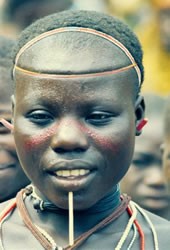
Photo Source:
David Marsh
|
Send Joshua Project a map of this people group.
|
| People Name: | Dghwede, Toghwede |
| Country: | Nigeria |
| 10/40 Window: | Yes |
| Population: | 88,000 |
| World Population: | 93,500 |
| Primary Language: | Dghwede |
| Primary Religion: | Ethnic Religions |
| Christian Adherents: | 12.00 % |
| Evangelicals: | 6.50 % |
| Scripture: | New Testament |
| Ministry Resources: | No |
| Jesus Film: | No |
| Audio Recordings: | Yes |
| People Cluster: | Chadic |
| Affinity Bloc: | Sub-Saharan Peoples |
| Progress Level: |

|
Introduction / History
The Dghwede, also known as the Toghwede, live in northeastern Nigeria, primarily in rural areas of what is now Borno State. Their homeland lies near hilly terrain and seasonal waterways, which have historically influenced settlement patterns and agriculture. The Dghwede language is a key marker of identity, carrying stories, customs, and shared understanding passed down through generations, even as many people also learn regional languages for wider communication.
Historically, Dghwede communities developed as close?knit village groups, shaped by kinship ties and local leadership rather than centralized authority. Interaction with neighboring peoples through trade and marriage broadened social connections while reinforcing a distinct ethnic identity. Over time, engagement with Christianity, education, and wider Nigerian society introduced new influences alongside long?standing traditions.
What Are Their Lives Like?
Daily life among the Dghwede revolves around family cooperation and agriculture. Most households rely on farming, growing crops suited to the local climate, and keeping small livestock where conditions allow. Work is commonly shared among extended family members, especially during planting and harvest seasons.
Families usually live in clustered settlements, allowing frequent interaction and mutual support. Elders are respected for their wisdom and play an important role in guiding family decisions and resolving disputes. Children learn skills and responsibilities through participation in daily tasks rather than formal instruction.
Community life includes gatherings connected to farming rhythms, family milestones, and religious activities. Weddings, funerals, and celebrations bring people together, strengthening relationships and reinforcing a shared sense of belonging. Life tends to follow seasonal patterns and communal needs rather than rigid schedules.
What Are Their Beliefs?
Christianity has an established presence among the Dghwede, and many identify as Christians and participate in church life. Christian teaching has influenced moral values, family life, and community expectations, and churches often serve as important centers for worship and fellowship.
Alongside this Christian faith, traditional beliefs remain influential for some. These beliefs express trust in spiritual forces believed to affect health, protection, fertility, and misfortune. Such beliefs are expressions of faith placed in unseen powers rather than mere cultural customs. In some lives, Christian commitment and traditional spiritual trust exist side by side, pointing to the continued need for discipleship that directs trust fully toward Jesus Christ alone.
What Are Their Needs?
The Dghwede face practical challenges related to economic stability, education, and access to healthcare, particularly in rural settings. Environmental uncertainty and limited resources place a strong emphasis on cooperation within families and villages.
Spiritually, Dghwede believers benefit from continued growth in understanding Scripture and living out their faith with clarity and confidence. Where fear of spiritual forces lingers, the message of Christ's authority and sufficiency needs to be taught patiently and faithfully. With Christians present among them, the Dghwede church has an opportunity not only to mature in faith but also to share the hope of Christ with nearby peoples who have little or no gospel witness.
Prayer Points
Pray for stability, provision, and unity within Dghwede families and communities.
Ask God to deepen biblical understanding and spiritual maturity among believers that will lead them to take the gospel to African Muslim communities.
Pray for church leaders to be strengthened in faithful teaching and pastoral care.
Ask the Lord to help believers place full confidence in Christ rather than spiritual fear.