Quichua, Chimborazo Highland in Ecuador
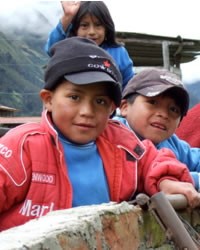
Photo Source:
Bob Sjogren
|
Send Joshua Project a map of this people group.
|
| People Name: | Quichua, Chimborazo Highland |
| Country: | Ecuador |
| 10/40 Window: | No |
| Population: | 1,031,000 |
| World Population: | 1,031,000 |
| Primary Language: | Quichua, Chimborazo Highland |
| Primary Religion: | Christianity |
| Christian Adherents: | 98.00 % |
| Evangelicals: | 8.00 % |
| Scripture: | Complete Bible |
| Ministry Resources: | Yes |
| Jesus Film: | Yes |
| Audio Recordings: | Yes |
| People Cluster: | Quechua |
| Affinity Bloc: | Latin-Caribbean Americans |
| Progress Level: |

|
Introduction / History
The Chimborazo Highland Quichua are one of Ecuador's largest indigenous groups, concentrated in the Andean highlands, especially in provinces like Chimborazo, Bolívar, Cotopaxi, and Tungurahua. They speak Chimborazo Highland Quichua, a dialect of the Quechuan (Quichua/Kichwa) language family that has remained widely used across the
central Andes of Ecuador.
Historically, the highland peoples of this area, including those who later became known as Quichua speakers, interacted with and were influenced by the Inca Empire before Spanish colonization. In regions like Chimborazo, pre-colonial groups such as the Puruhá originally lived here and eventually shifted to speaking Quichua — a process shaped by Inca and later Spanish influence in the Andes.
Their primary language is Chimborazo Highland Quichua, still in robust use in many communities across the province. Most also speak Spanish, especially among younger generations and in towns, though Quichua remains an important marker of identity.
What Are Their Lives Like?
Traditionally, their lifestyle centers on agriculture and pastoralism — growing staples like potatoes, maize, quinoa, and other Andean crops. Animal husbandry (sheep, guinea pigs) and weaving are also common. Many families continue communal farming practices or work as smallholder farmers.
Extended family and community ties are key. Collective labor systems (e.g., mingas — community work gatherings) are important for planting, harvesting, and social cohesion.
While traditional ways of life are still strong, many communities navigate modern pressures such as labor migration to cities, formal education needs, and economic change.
What Are Their Beliefs?
Their belief systems are often syncretic — blending Catholic Christianity with Indigenous Andean cosmologies. Many identify as Christian (often Catholic), but traditional Andean spiritual ideas persist. In several highland communities, Pachamama (Mother Earth) and spirits associated with mountains, water, and the natural world are honored through rituals and offerings. Much of Quichua cosmology sees the natural and spiritual worlds as interconnected, with every element of nature possessing a life force or spirit (samai or similar concepts). These beliefs influence festivals, agricultural rites, and community celebrations that mark the cycles of planting and harvest, as well as nurturing community bonds.
What Are Their Needs?
The Quichua language and cultural practices face pressure from wider Spanish-dominant society. Language loss — especially among younger generations — is a concern for cultural continuity.
Many rural Highland Quichua families struggle with access to quality education, healthcare, and stable economic opportunities.
Sustaining traditional agriculture in the face of market pressures and climate change remains a community priority. Indigenous groups in Ecuador continue advocating for land rights, cultural recognition, and equitable representation in national dialogue — reflecting ongoing challenges related to social inclusion and public policy.
Prayer Points
Pray that those who identify culturally with religion will truly understand and receive Jesus Christ as Savior and Lord, putting their full faith in God.
Pray for a fresh work of the Holy Spirit across Chimborazo Highland Quichua communities, bringing conviction of sin, repentance, and spiritual renewal.
Pray for Chimborazo Highland Quichua Christian leaders and pastors to be raised up who can teach, disciple, and shepherd new believers.
Pray for deeper engagement with the Bible in the Chimborazo Highland Quichua language — that believers would read, understand, and obey God's word.
Pray for unity, doctrinal faithfulness, and gospel courage within existing churches so they can be a witness to their communities.
Pray that God would send and sustain workers — both from within the Chimborazo Highland Quichua community and from outside — committed to long-term ministry among them.