Buru, Boeroe in Indonesia
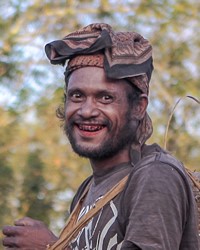
Photo Source:
Copyrighted © 2026
Priadi Saptono - Shutterstock All rights reserved. Used with permission |
Send Joshua Project a map of this people group.
|
| People Name: | Buru, Boeroe |
| Country: | Indonesia |
| 10/40 Window: | Yes |
| Population: | 54,000 |
| World Population: | 54,000 |
| Primary Language: | Buru (Indonesia) |
| Primary Religion: | Ethnic Religions |
| Christian Adherents: | 12.00 % |
| Evangelicals: | 2.00 % |
| Scripture: | Portions |
| Ministry Resources: | Yes |
| Jesus Film: | No |
| Audio Recordings: | Yes |
| People Cluster: | Maluku-Central |
| Affinity Bloc: | Malay Peoples |
| Progress Level: |

|
Introduction / History
The Buru people live mainly on Buru Island in the Maluku Province of eastern Indonesia. They call themselves Gebfuka or Gebemliar, meaning "people of the land" or "people of the world." Historically, Buru was less involved in the spice trade that shaped other Maluku islands, so outside influence came later. Dutch colonization in the 17th century relocated some Buru nobility, which contributed to the formation of other ethnic groups. Today, the Buru maintain their language and cultural identity despite modernization and migration.
What Are Their Lives Like?
The Buru live in villages scattered across coastal and inland areas. Farming and fishing are central to their livelihood. They grow rice, sago, and vegetables, and raise livestock. Men often fish or work in gardens, while women manage household tasks and help with farming. Extended families are important, and social life revolves around kinship and community cooperation.
Celebrations include weddings and local festivals, often marked by traditional music and dance. Food staples are rice and sago, served with fish and vegetables. Coconut and spices add flavor to their meals. Life is simple but deeply communal, with strong traditions of mutual help during planting, harvesting, and house building.
What Are Their Beliefs?
The Buru people practice a mix of Islam, Christianity, and traditional animistic beliefs. Animism remains highly influential, with rituals and taboos tied to nature and ancestral spirits. Some follow Islamic practices such as prayer and fasting, while others identify as Christian, though many lack a clear understanding of the gospel. Spiritual life often blends these systems, leaving most without a firm foundation in biblical truth.
What Are Their Needs?
The Buru need better access to healthcare and education, as many villages are remote and resources are limited. Economic opportunities are scarce, and poverty affects daily life. Spiritually, most have never experienced the transforming power of Jesus Christ. Even among those who identify as Christian, there is a need for biblical teaching and discipleship. Entire communities need to know that Jesus offers forgiveness, hope, and eternal life.
Prayer Points
Pray for the Buru people to hear and understand the good news of Jesus Christ.
Pray for believers among the Buru to grow strong in faith and share Christ with their neighbors.
Pray for improved education and healthcare so families can thrive physically and emotionally.
Pray for workers who can translate and teach biblical materials in the Buru language.