Antilles English-speaking in Curacao
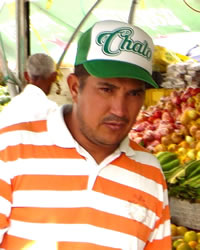
Photo Source:
Thijs Van Dongen - Wikimedia
Creative Commons
|
Send Joshua Project a map of this people group.
|
.jpeg)
| People Name: | Antilles English-speaking |
| Country: | Curacao |
| 10/40 Window: | No |
| Population: | 5,400 |
| World Population: | 15,400 |
| Primary Language: | English |
| Primary Religion: | Christianity |
| Christian Adherents: | 85.00 % |
| Evangelicals: | 6.00 % |
| Scripture: | Complete Bible |
| Ministry Resources: | Yes |
| Jesus Film: | Yes |
| Audio Recordings: | Yes |
| People Cluster: | Afro-American, Northern |
| Affinity Bloc: | North American Peoples |
| Progress Level: |

|
Introduction / History
The English-speaking peoples of the Antilles are part of the wider Caribbean cultural sphere shaped by centuries of migration, colonization, and cultural blending. Their identity developed through British colonial influence, the displacement of Indigenous groups, the transatlantic slave trade, and later movements of indentured laborers from Asia and Europe. English became a major unifying factor across many islands, though it often coexists with local English-based creoles influenced by African, European, and Indigenous languages. These communities form a multicultural bloc within the Caribbean, sharing historical experiences of plantation economies, shifting colonial administrations, and gradual political independence across the twentieth century. They live in Sint Maarten and Curacao.
What Are Their Lives Like?
In daily life, many English-speaking Caribbean people work in agriculture, tourism, fishing, public services, and small-scale entrepreneurship. Economic patterns vary between islands, but livelihoods often reflect limited natural resources and reliance on global markets.
Caribbean cuisine draws from African, European, and Indigenous influences, featuring ingredients such as fish, root vegetables, plantains, rice dishes, and flavorful seasonings. Family life typically includes strong intergenerational ties, with extended relatives playing influential roles in child-rearing and community support. Celebrations mark major religious holidays, community festivals, and national events. Carnival, one of the region's most visible celebrations, blends European and African elements and showcases music, dance, and expressive creativity.
What Are Their Beliefs?
Christianity is the dominant religious influence among English-speaking Caribbean peoples, historically shaped by Anglican and Methodist traditions under British rule. Other Christian expressions, including newer evangelical movements, have also become significant. Hinduism and Islam are present in some territories, especially where Indo-Caribbean communities established themselves. African-influenced belief systems, such as Rastafarianism, Pocomania, Orisha worship, and Spiritual Baptist expressions, continue to appear in various communities, alongside indigenous elements that survived in blended forms. These belief systems coexist in a region known for religious diversity and occasional inter-faith observances, while Christianity remains the central reference point for spiritual identity.
What Are Their Needs?
Many English-speaking Caribbean communities face challenges related to economic stability, limited resources, and vulnerability to natural disasters. They need sustainable employment opportunities, strong educational systems, and resilient infrastructure. Where Christian communities are present, they benefit from discipleship, unity, and encouragement to live out their faith in practical, compassionate ways that influence society.
Prayer Points
Pray for stable livelihoods and economic resilience across the islands.
Pray for strong families and safe communities, especially for youth.
Pray for spiritual growth among believers that will lead them to make disciples of their own people and others.
Pray that Christians will share their faith with neighboring communities in gracious and meaningful ways.