Abui, Barue in Indonesia
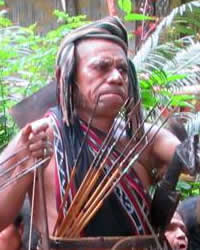
Photo Source:
David Stanley - Wikimedia
Creative Commons
|
Send Joshua Project a map of this people group.
|

| People Name: | Abui, Barue |
| Country: | Indonesia |
| 10/40 Window: | Yes |
| Population: | 30,000 |
| World Population: | 30,000 |
| Primary Language: | Abui |
| Primary Religion: | Christianity |
| Christian Adherents: | 50.00 % |
| Evangelicals: | 12.00 % |
| Scripture: | Portions |
| Ministry Resources: | Yes |
| Jesus Film: | No |
| Audio Recordings: | Yes |
| People Cluster: | Flores-Sumba-Alor |
| Affinity Bloc: | Malay Peoples |
| Progress Level: |

|
Introduction / History
The Abui, also known as Barue, Barawahing, or Namatalaki, are an indigenous ethnic group residing on Alor Island in East Nusa Tenggara, Indonesia. The name Abui means "mountains" or "enclosed place," reflecting their identity as highland dwellers. Their language, Abui, is part of the Timor-Alor-Pantar family of Papuan languages, distinct from the Austronesian tongues spoken in much of Indonesia. Oral traditions tell of the Abui as founders of one of the oldest kingdoms on Alor, and their culture has been preserved through clan structures, storytelling, and ritual practices.
What Are Their Lives Like?
The Abui live in villages scattered across the rugged terrain of Alor. Agriculture is central to their livelihood, with families cultivating corn, cassava, rice, and tubers. Men often hunt or fish, while women manage household gardens, weave textiles, and care for children. Extended family networks are strong, with clans providing social cohesion and mutual support.
Celebrations include weddings, harvest festivals, and Christian holidays, often marked by communal meals, music, and the traditional lego-lego dance. Food staples include corn porridge, cassava, fish, and seasonal fruits, while weaving remains a valued art form, used both for daily wear and ceremonial exchange. Hospitality is a hallmark of Abui culture, with guests welcomed warmly.
What Are Their Beliefs?
The Abui identify primarily with Christianity, with Protestant traditions being the most common. Catholicism is also present, and Islam has some influence in coastal areas. Evangelical presence is strong, but they need discipleship and biblical teaching.
What Are Their Needs?
The Abui face both spiritual and physical challenges. Spiritually, they require deeper engagement with the gospel in ways that speak to their cultural context. Translation of Scripture into the Abui language and discipleship resources would strengthen understanding and faith.
Physically, access to education, healthcare, and economic opportunities remains limited, with many communities marginalized within Indonesia's development. Infrastructure such as clean water, transportation, and reliable markets would greatly improve daily life. Holistic mission efforts that combine gospel proclamation with practical support are essential for their flourishing.
Prayer Points
Pray that the Abui will encounter Jesus Christ in a personal and transformative way, moving beyond nominal identification with Christianity to vibrant discipleship.
Pray asking the Lord to raise up local believers who can lead their communities with wisdom and courage.
Pray for music and skits that teach biblical principles to be translated into their Abui language.
Pray for their physical needs, including access to healthcare, education, and clean water, that their communities may thrive.
Pray for Abui believers themselves to become part of the mission force, carrying the gospel to neighboring groups.